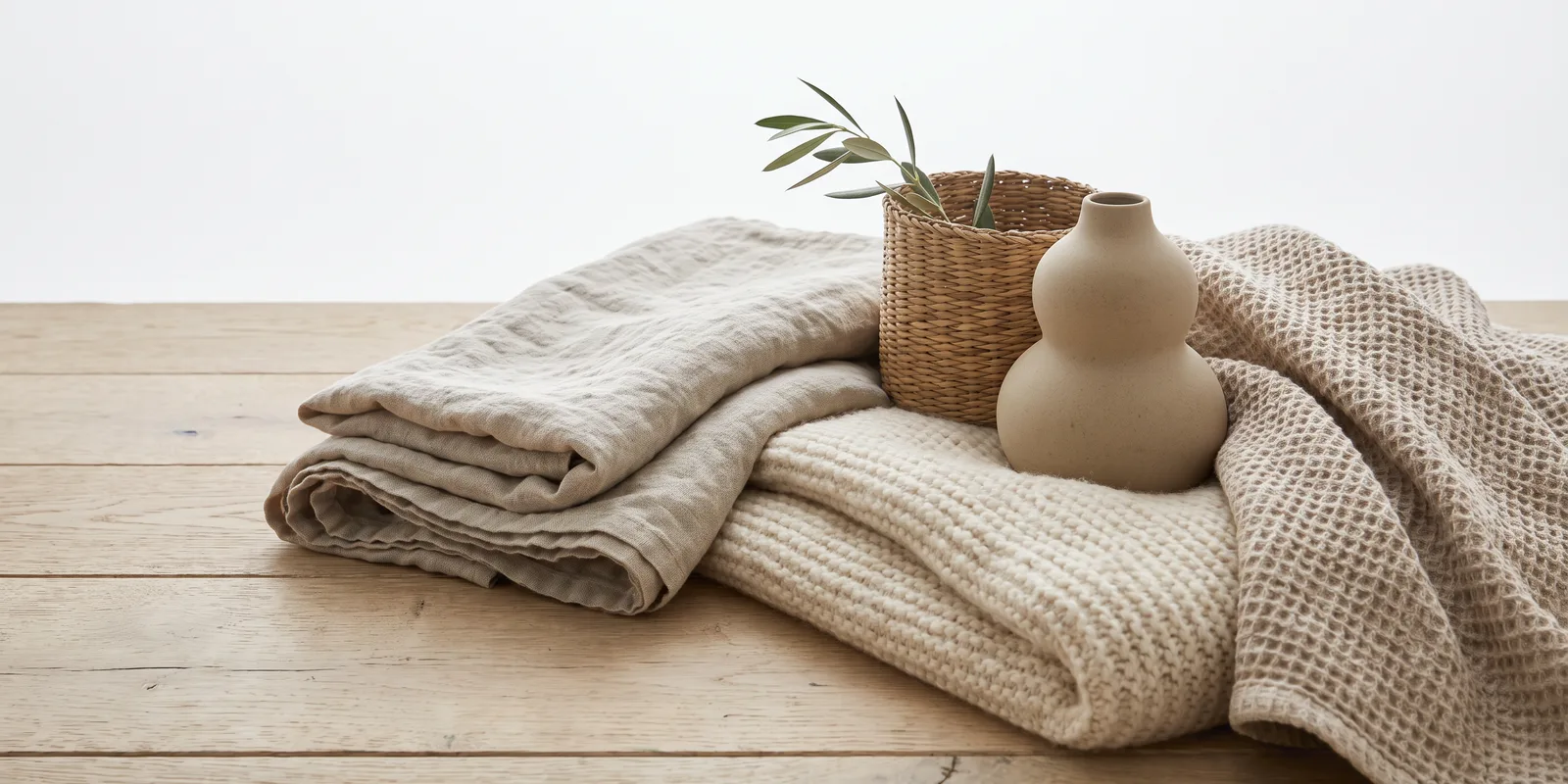
Neutral style is the style of homes presented for sale: warm, tidy, with no bias that divides. It does not try to win over one particular taste but lets every visitor picture themselves. This page traces its origins and explains why it remains the safest choice for a first presentation.
Origins and history
Neutral style owes a great deal to home staging, the art of preparing a home for sale: decluttering, depersonalising, harmonising colours. The practice was born in the United States in the early 1970s and then spread to Europe.
At the same time, interior architects made natural palettes and tactile materials a signature: plaster, linen, stone and wood in close tones, giving an impression of calm and quality without relying on colour.
Materials, colours and furniture
| Feature | What defines it |
|---|---|
| Materials | Natural oak, washed linen, chunky knit, cotton waffle, seagrass, stoneware, brushed-nickel details. |
| Colours | Oatmeal, greige, linen, cream; no black, no pattern, no gilding. |
| Typical furniture | Deep sofa with linen slipcovers, textured cream wool armchair, round light-oak coffee table, ceramic lamp with a linen shade. |
| Accessories | Cushions in close beiges, a throw, two books, one green plant per room. |
The big names of the style
Barb Schwarz. An estate agent in Bellevue, Washington State, she is generally presented as the inventor of home staging in the early 1970s; she later founded a professional association of home stagers. The exact date (1972 or 1973) varies between accounts.
Vincent Van Duysen. The Belgian architect, based in Antwerp since around 1990, is known for interiors with restrained palettes and natural materials (plaster, stone, wood, linen), an approach he himself describes as “warm minimalism”.
Public facts, checked against the sources listed at the end of the page. These designers have no connection with Khorama and do not endorse this software.
Which buyers is it for?
Neutral is the safest style: no buyer rejects it, and it highlights floor area and light without distracting attention. Its limit is the mirror image: it does little to set one development apart from another.
To see what the buyer receives, take the 360° tour of demo unit B204, produced in four other styles.
- All profiles, at first presentation: when a development’s buyers are not yet known, neutral closes no doors.
- Buy-to-let investors: it shows a home ready to let, which the future tenant will furnish in their own way.
- Seniors: a tidy, soothing interior with no harsh contrast reassures them that the home is easy to live in.
- First-time buyers: it gives an accessible image, far from intimidating luxury.