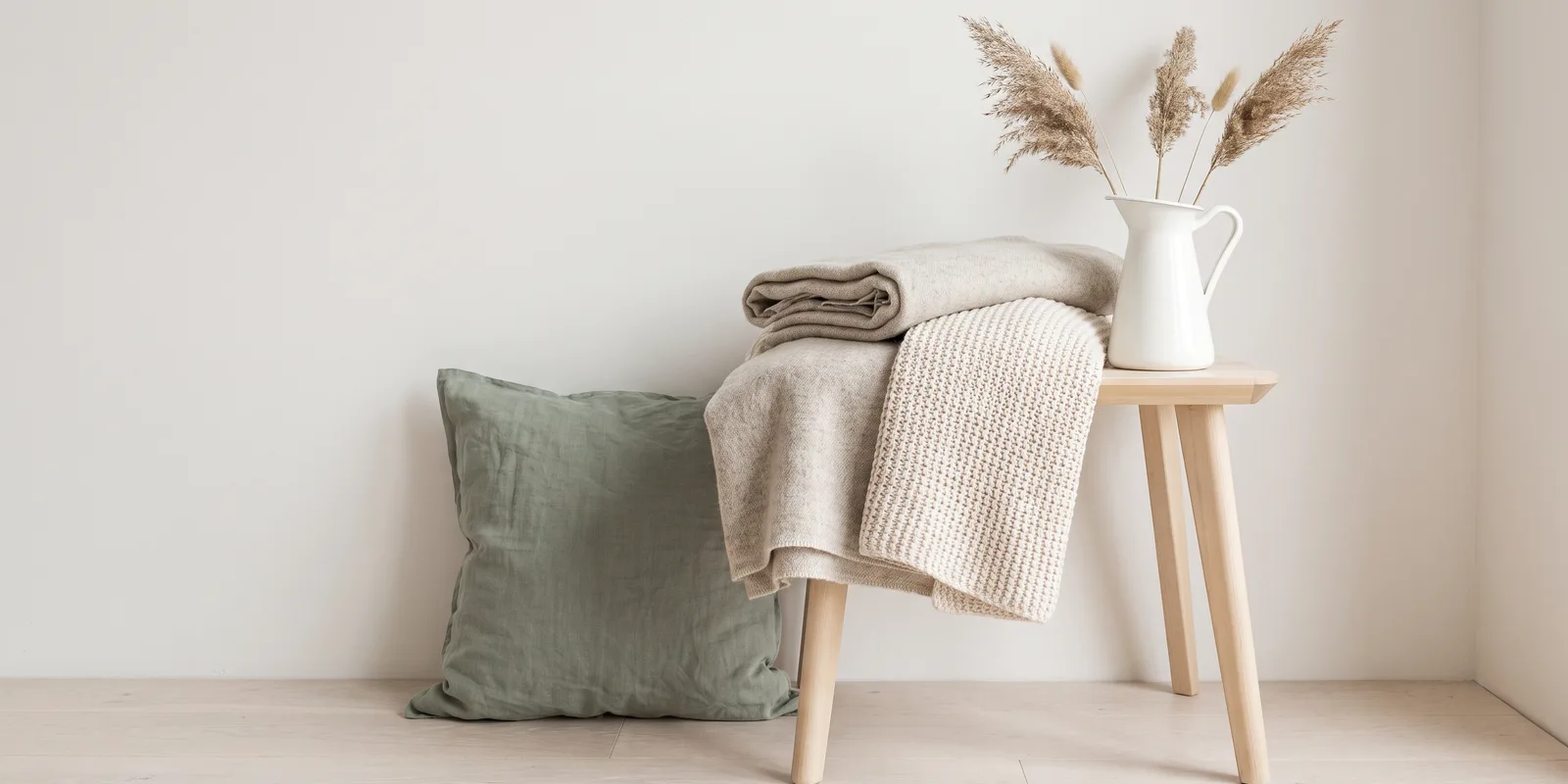
Scandinavian style is probably the most widespread of all interior styles. Its promise is simple: a bright, welcoming and practical home, made for everyday life. This page traces its origins, describes its materials and colours, and explains which buyers it speaks to best when presenting a home sold off-plan.
Origins and history
Scandinavian design brings together Danish, Swedish, Finnish and Norwegian traditions that share a taste for wood, craftsmanship and useful objects. According to the Norwegian encyclopedia Store norske leksikon, the expression took hold with the touring exhibition “Design in Scandinavia”, shown in museums in the United States and Canada from 1954 to 1957.
In long Nordic winters, light is scarce: interiors are brightened, blond woods and warm textiles dominate. This response to the climate, as much as an aesthetic taste, explains the warm whites, the uncluttered windows and the place given to natural materials.
Materials, colours and furniture
| Feature | What defines it |
|---|---|
| Materials | Light wood (birch, ash, whitened oak), wool, linen, waffle cotton, white ceramics. |
| Colours | Warm white, pale beige, soft grey; discreet touches of sage, powder blue or pale pink. |
| Typical furniture | Deep wool sofa on tapered legs, round ash coffee table, light-wood armchair with a woven paper-cord seat, cream wool rug. |
| Accessories | Few and useful: throws, stacked books, a plant, a paper or wooden lamp. |
The big names of the style
Alvar and Aino Aalto. The Finnish architect and his wife, an architect and designer, founded the company Artek in Helsinki in 1935 with Maire Gullichsen and Nils-Gustav Hahl, to sell their bent-wood furniture and promote a modern way of living. Aino Aalto ran Artek’s drawing office, which designed furniture and complete interiors.
Hans J. Wegner. The Danish designer drew the CH24 chair, known as the “Wishbone”, in 1949 for the manufacturer Carl Hansen & Søn, which has produced it since 1950. Its Y-shaped back and woven paper-cord seat make it an emblem of post-war Danish design.
Public facts, checked against the sources listed at the end of the page. These designers have no connection with Khorama and do not endorse this software.
Which buyers is it for?
Scandinavian is a broad-audience style: it offends no one, highlights the light and gives an impression of space. It is a safe choice for the first presentation of a development, when the buyer profile is not yet known.
Demo unit B204 can be toured in 360° in this style: choose “Scandinave” in the tour’s style menu (French interface).
- First-time buyers and young couples: the style matches the interiors they know, and its simple furniture makes furnishing a one- or two-bedroom flat on a measured budget believable.
- Families: deep sofa, thick rug, open storage; the furnishing shows a plausible daily life, children’s bedroom included.
- Buy-to-let investors: a home presented in Scandinavian style speaks to the largest number of future tenants, which is what the investor wants to check.
- North-facing or dim homes: warm whites and light wood offset a cooler light (see our guide on a home’s orientation).